
Wild Rice
🌿 grainsEasy to use

Wild Rice

Native North America — wild rice (Zizania species) has been a staple food for indigenous peoples of the Great Lakes region for thousands of years.Harvested in late summer and fall; available year-round driedNutty, earthy, and slightly smoky with a firm

Did You Know?

Wild rice is harvested by hand using canoes — paddlers knock the grain heads over the boat sides to collect the seeds, a tradition preserved for generations.

Overview

Native North America — wild rice (Zizania species) has been a staple food for indigenous peoples of the Great Lakes region for thousands of years. · Harvested in late summer and fall; available year-round dried · grains

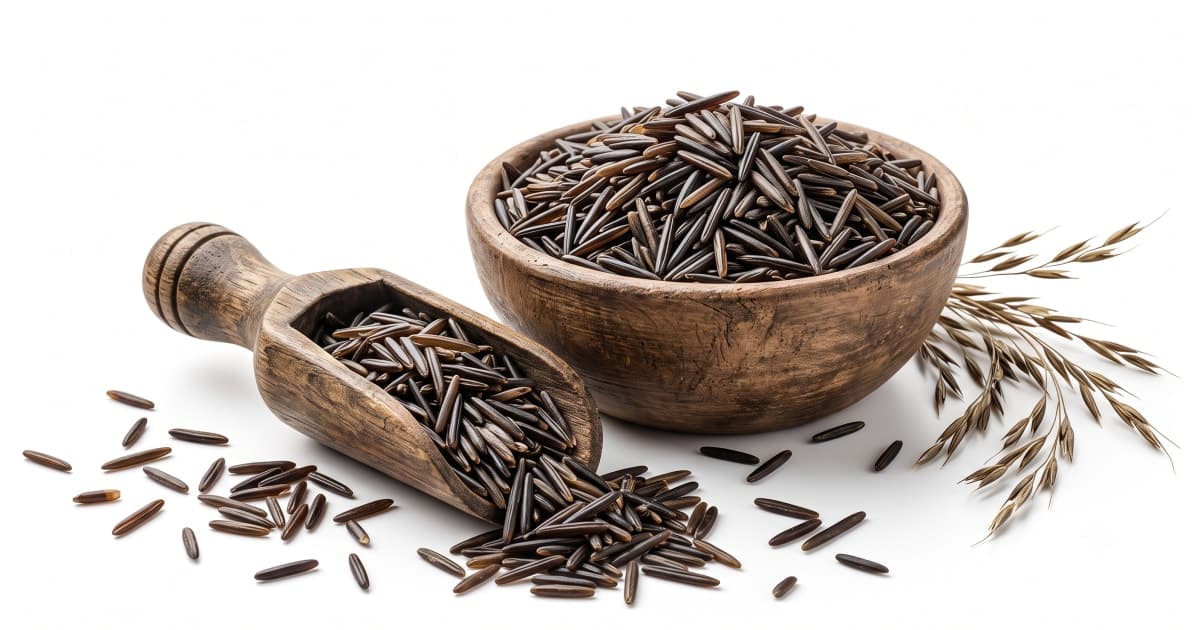
Not true rice but the seeds of aquatic grasses native to North America. Has a distinctive chewy texture and nutty, earthy flavor with a dramatic dark color.

Native North America — wild rice (Zizania species) has been a staple food for indigenous peoples of the Great Lakes region for thousands of years.

Origin

Harvested in late summer and fall; available year-round dried

Season

Easy

Difficulty

grains

Category

Flavor Profile

Nuttyearthyand slightly smoky with a firmchewy texture. More complex and robust than regular rice.

Storage Tips

Dry wild rice stores almost indefinitely in an airtight container. Cooked: refrigerate up to 5 days or freeze up to 3 months.

Photo Gallery

How to Cook with Wild Rice

Recipes, pairings, substitutes, and professional tips

Cooking Tips

Use 3 cups water per 1 cup wild rice. Simmer covered for 45–60 minutes until kernels burst open slightly. Great mixed with other grains for contrast in color and texture.

Substitutes

Brown rice, black rice, farro, or barley for similar hearty, chewy texture.

Nutrition & Health Benefits

The nutritional profile and health properties of Wild Rice

Nutrition Highlights

fat

0.6

carbs

35

fiber

3

protein

6.5

calories

166

Quick Facts

Categorygrains
OriginNative North America — wild rice (Zizania species) has been a staple food for indigenous peoples of the Great Lakes region for thousands of years.
SeasonHarvested in late summer and fall; available year-round dried
DifficultyEasy

Health Benefits

High in protein for a grain, rich in fiber, B vitamins, zinc, and manganese. Contains antioxidants and is gluten-free.

Wild Rice Photos

3 photos showcasing Wild Rice in its many forms

3
🌿

Wild Rice

grains

OriginNative North America — wild rice (Zizania species) has been a staple food for indigenous peoples of the Great Lakes region for thousands of years.
SeasonHarvested in late summer and fall; available year-round dried
DifficultyEasy

Flavor Notes

Nuttyearthyand slightly smoky with a firmchewy texture. More complex and robust than regular rice.

Explore More Ingredients

Discover the stories, origins, and culinary secrets behind the world's most fascinating ingredients.