
🌿 grainsEasy to use
Udon Noodles
Japan — developed during the Nara period (8th century), udon is one of Japan's oldest noodle traditions.Year-roundMild, slightly wheaty with a pleasantly chewy bite. Absorbs surrounding broths and sauces beautifully.
Did You Know?
Udon noodles can be served hot or cold — in summer, chilled udon with dipping sauce (zaru udon) is a popular refreshing dish.
Overview
Japan — developed during the Nara period (8th century) · Year-round · grains
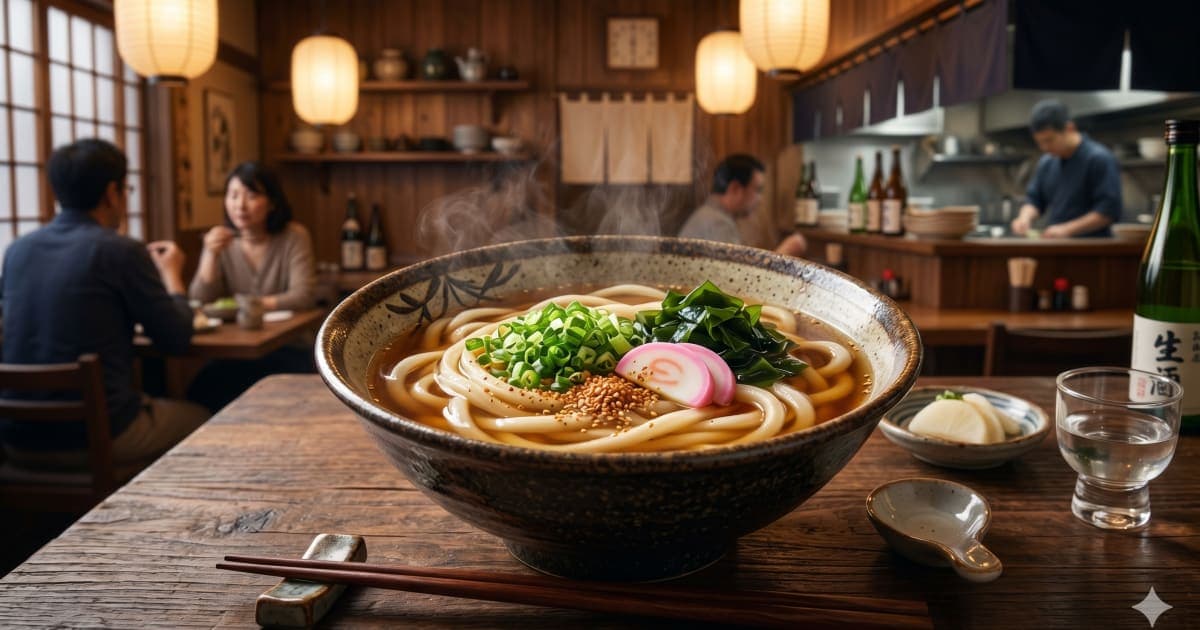
Thick, chewy Japanese wheat noodles with a smooth, bouncy texture. A staple of Japanese cuisine used in soups, stir-fries, and hot pots.
Japan — developed during the Nara period (8th century)
Origin
Year-round
Season
Easy
Difficulty
grains
Category
Flavor Profile
Mildslightly wheaty with a pleasantly chewy bite. Absorbs surrounding broths and sauces beautifully.
Storage Tips
Fresh udon: refrigerate up to 2 days. Dried: store in a cool, dry place up to 2 years. Cooked: refrigerate up to 3 days.
Photo Gallery
How to Cook with Udon Noodles
Recipes, pairings, substitutes, and professional tips
Cooking Tips
Cook in plenty of boiling water. Fresh udon cooks in 2–3 minutes; dried udon takes 8–10 minutes. Rinse under cold water after cooking to stop the process and improve texture.
Best Pairings
dashi brothsoy saucemirintofutempuragreen onionswakame seaweedkamaboko
Substitutes
Soba noodles, rice noodles, lo mein noodles, or thick spaghetti as a last resort.
Nutrition & Health Benefits
The nutritional profile and health properties of Udon Noodles
Nutrition Highlights
fat
0.6
carbs
42.2
fiber
2.4
protein
6.9
calories
198
Quick Facts
Categorygrains
OriginJapan — developed during the Nara period (8th century), udon is one of Japan's oldest noodle traditions.
SeasonYear-round
DifficultyEasy
Health Benefits
Good source of carbohydrates for energy. Lower in fat than egg noodles. Can be made with whole wheat for added fiber.
Udon Noodles Photos
5 photos showcasing Udon Noodles in its many forms
🌿
Udon Noodles
grains
OriginJapan — developed during the Nara period (8th century)
SeasonYear-round
DifficultyEasy
Flavor Notes
Mildslightly wheaty with a pleasantly chewy bite. Absorbs surrounding broths and sauces beautifully.
Shop This Ingredient
Find premium Udon Noodles in our store
Pairs Well With
dashi brothsoy saucemirintofutempuragreen onionswakame seaweedkamaboko
Explore More Ingredients
Discover the stories, origins, and culinary secrets behind the world's most fascinating ingredients.