
Turkey
🌿 proteinsEasy to use

Turkey

North America — turkeys were domesticated by indigenous peoples of Mexico thousands of years ago. They were brought to Europe by Spanish conquistadors in the 16th century.Peak consumption: Thanksgiving (November in US). Available year-roundMildly savory and slightly gamey. Breast is lean and neutral; dark meat (legs, thighs) is richer and more flavorful.

Did You Know?

Turkeys can blush — the fleshy protuberance on their head (the snood) and face change color between red, white, and blue depending on their mood and health.

Overview

North America — turkeys were domesticated by indigenous peoples of Mexico thousands of years ago. They were brought to Europe by Spanish conquistadors in the 16th century. · Peak consumption: Thanksgiving (November in US). Available year-round · proteins

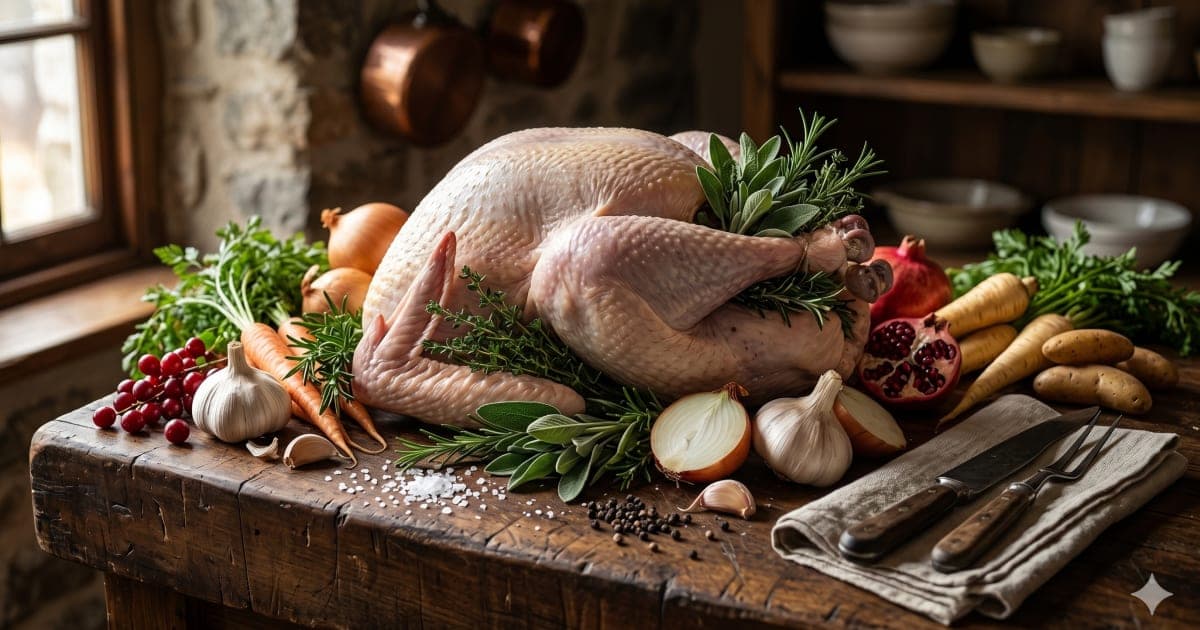
A large domesticated bird with mild, lean white breast meat and richer dark leg meat. The centerpiece of Thanksgiving and a year-round deli staple.

North America — turkeys were domesticated by indigenous peoples of Mexico thousands of years ago. They were brought to Europe by Spanish conquistadors in the 16th century.

Origin

Peak consumption: Thanksgiving

Season

Easy

Difficulty

proteins

Category

Flavor Profile

Mildly savory and slightly gamey. Breast is lean and neutral; dark meat (legsthighs) is richer and more flavorful.

Storage Tips

Raw whole: refrigerate 1–2 days, freeze up to 1 year. Cooked: refrigerate up to 4 days. Leftover turkey makes excellent sandwiches and soups.

Photo Gallery

How to Cook with Turkey

Recipes, pairings, substitutes, and professional tips

Cooking Tips

Brine for 24 hours for juicier results. Roast at 325°F (163°C) — about 13 min/lb. Use a thermometer: 165°F (74°C) in the thigh. Rest 30 minutes before carving. Baste regularly.

Substitutes

Chicken for smaller preparations; goose for a richer holiday roast.

Nutrition & Health Benefits

The nutritional profile and health properties of Turkey

Nutrition Highlights

fat

7.4

carbs

0

fiber

0

protein

28.6

calories

189

Quick Facts

Categoryproteins
OriginNorth America — turkeys were domesticated by indigenous peoples of Mexico thousands of years ago. They were brought to Europe by Spanish conquistadors in the 16th century.
SeasonPeak consumption: Thanksgiving (November in US). Available year-round
DifficultyEasy

Health Benefits

Excellent source of lean protein (especially breast). Rich in B vitamins, selenium, zinc, and tryptophan. Lower in fat than duck or goose.

Turkey Photos

5 photos showcasing Turkey in its many forms

5
🌿

Turkey

proteins

OriginNorth America — turkeys were domesticated by indigenous peoples of Mexico thousands of years ago. They were brought to Europe by Spanish conquistadors in the 16th century.
SeasonPeak consumption: Thanksgiving (November in US). Available year-round
DifficultyEasy

Flavor Notes

Mildly savory and slightly gamey. Breast is lean and neutral; dark meat (legsthighs) is richer and more flavorful.

Explore More Ingredients

Discover the stories, origins, and culinary secrets behind the world's most fascinating ingredients.