
🌿 grainsFeaturedEasy to use
Triticale
19th century (first man-made grain, Scotland/Sweden)Year-roundMild, slightly nutty, earthy
Did You Know?
Triticale was the first man-made grain species — it was created by Scottish and Swedish botanists in the late 1800s and took decades of breeding to become productive.
Overview
19th century (first man-made grain · Year-round · grains
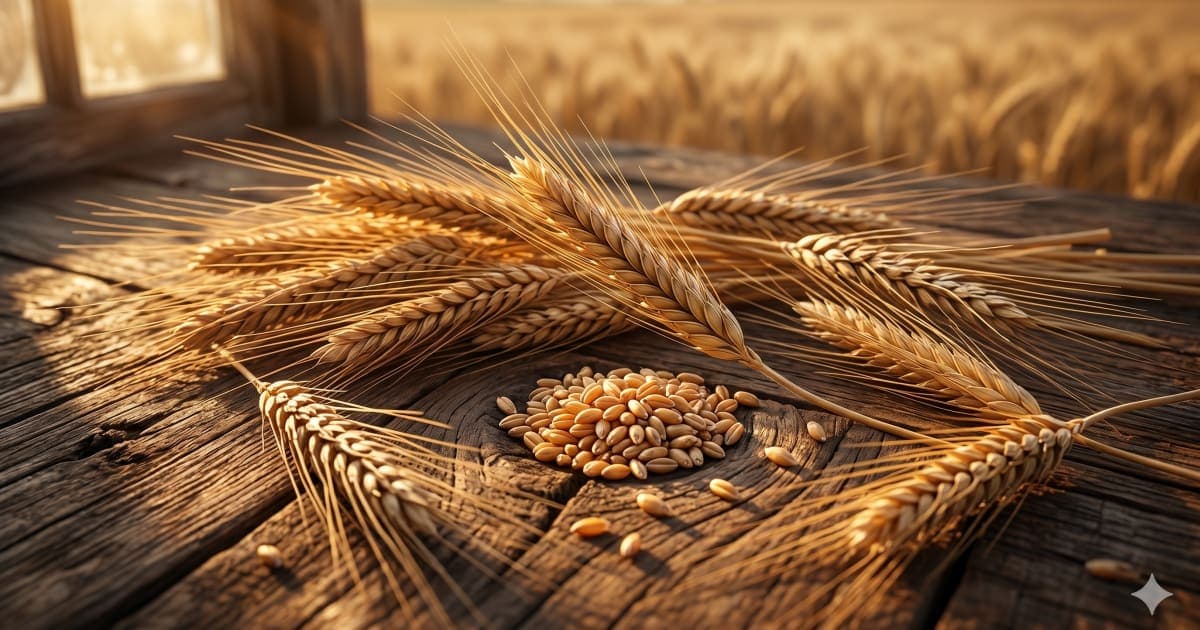
A hybrid grain created by crossing wheat and rye, combining the yield potential of wheat with the hardiness of rye, with a mild, nutty flavor.
19th century (first man-made grain
Origin
Year-round
Season
Easy
Difficulty
grains
Category
Flavor Profile
Mildslightly nuttyearthy
Storage Tips
Store in airtight container for up to 1 year.
Photo Gallery
How to Cook with Triticale
Recipes, pairings, substitutes, and professional tips
Cooking Tips
Cook whole triticale berries like barley. Use triticale flour in bread blended with wheat flour for better rise. Cook as porridge or pilaf.
Best Pairings
vegetablesbeansherbsdried fruitnuts
Substitutes
Wheat berries, spelt, rye
Nutrition & Health Benefits
The nutritional profile and health properties of Triticale
Nutrition Highlights
fat
2
carbs
72
fiber
14
protein
13
calories
338
Quick Facts
Categorygrains
Origin19th century (first man-made grain, Scotland/Sweden)
SeasonYear-round
DifficultyEasy
Health Benefits
Higher in protein and fiber than wheat. Contains more lysine (essential amino acid) than regular wheat.
Triticale Photos
5 photos showcasing Triticale in its many forms
🌿
Triticale
grains
Origin19th century (first man-made grain
SeasonYear-round
DifficultyEasy
Flavor Notes
Mildslightly nuttyearthy
Shop This Ingredient
Find premium Triticale in our store
Pairs Well With
vegetablesbeansherbsdried fruitnuts
Explore More Ingredients
Discover the stories, origins, and culinary secrets behind the world's most fascinating ingredients.