
🌿 herbsEasy to use
Tea
Southwest China, Tibet, and Northern Myanmar.year-roundThe flavor of tea is complex and highly variable, determined by the variety (Camellia sinensis sinensis or assamica), terroir
Did You Know?
All true tea comes from the exact same plant species (Camellia sinensis). The massive differences in color, aroma, and taste between white, green, oolong, black, and puerh teas result solely from how the leaves are processed and, crucially, how much they are allowed to oxidize (ferment) after harvesting.
Overview
Southwest China · year-round · herbs
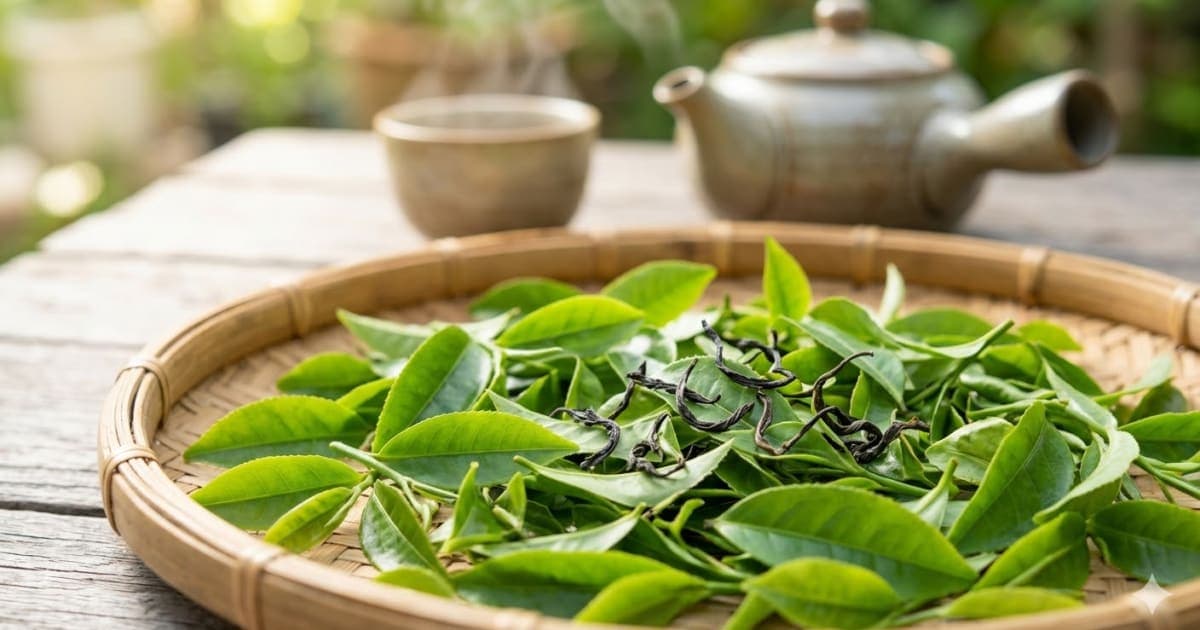
Tea is an aromatic beverage prepared by pouring hot or boiling water over cured leaves of the Camellia sinensis, an evergreen shrub native to East Asia. After water, it is the most widely consumed drink in the world. The dried leaves, which are the raw ingredient, come in various forms, from vibrant green needles to dark, tightly rolled pearls. In cooking and baking, tea is valued for its ability to infuse subtle earthy, floral, or smoky notes into liquids, grains, and desserts.
Southwest China
Origin
year-round
Season
Easy
Difficulty
herbs
Category
Flavor Profile
The flavor of tea is complex and highly variabledetermined by the variety (Camellia sinensis sinensis or assamica)terroirand processing method (oxidation). Green Tea: Grassyvegetal (like steamed spinach)nuttyor slightly sweet (umami)with minimal astringency and a pale yellow-green color. Black Tea: Robustmaltyfull-bodiedand often brisk (astringent)with colors ranging from amber to dark red-brown.
Storage Tips
The enemies of tea are light, heat, moisture, and strong odors.Store loose tea in an airtight container (opaque tins are ideal, but glass jars stored inside a dark cupboard are okay).Keep the container in a cool, dry place.Properly stored, most dried tea remains fresh for 6–12 months.
Photo Gallery
How to Cook with Tea
Recipes, pairings, substitutes, and professional tips
Cooking Tips
To extract the best flavor, attention to temperature and time is crucial.Water Temperature: Never use boiling water on green or white teas! It scorches the leaves, resulting in bitterness. Aim for 160-180°F (70-80°C) for greens and 200-212°F (90-100°C) for black teas.Steep Time: Over-steeping causes bitterness. Green tea usually needs only 1-3 minutes; black tea 3-5 minutes.Culinary Infusions: When using tea in recipes (like poaching liquid for fruit or a base for rice), use a slightly higher concentration of tea leaves and shorter steep time than you would for drinking.
Best Pairings
Tea is exceptionally food-friendly.
Green Teas: Pair beautifully with seafood (especially white fish)rice disheslight steamed vegetablescitrus flavorsand subtle desserts like matcha-flavored sweets.
Black Teas: Stand up well to hearty foodsincluding red meatearthy mushroomsspicy foodschocolatedairy (milkcream)and robustspiced baked goods (like ginger cake).
Substitutes
If you need a tea replacement in a recipe, choose based on the desired flavor outcome.For Grassy/Vegetal Notes (Green Tea): Try a small amount of dried parsley, spinach powder, or even a light vegetable stock.For Robust/Malty Notes (Black Tea): A very dark roasted grain beverage (like roasted barley), or in some desserts, a substitute like dynamic coffee or caramelized sugar can work.For Smoked Tea (Lapsang Souchong): Smoked paprika or chipotle powder (use very sparingly).
Nutrition & Health Benefits
The nutritional profile and health properties of Tea
Quick Facts
Categoryherbs
OriginSouthwest China, Tibet, and Northern Myanmar.
Seasonyear-round
DifficultyEasy
Health Benefits
Beyond refreshment, tea offers potential health benefits:Antioxidants: Tea is rich in polyphenols, a type of antioxidant (particularly catechins in green tea and theaflavins in black tea) that helps protect cells from damage.Heart Health: Regular consumption may support cardiovascular health by helping to maintain healthy blood pressure and cholesterol levels.Alertness: The moderate caffeine content provides a gentle energy boost and improves focus.Hydration: While it contains caffeine, standard brewed tea is mostly water and contributes significantly to daily fluid intake.
Tea Photos
2 photos showcasing Tea in its many forms
🌿
Tea
herbs
OriginSouthwest China
Seasonyear-round
DifficultyEasy
Flavor Notes
The flavor of tea is complex and highly variabledetermined by the variety (Camellia sinensis sinensis or assamica)terroirand processing method (oxidation). Green Tea: Grassyvegetal (like steamed spinach)nuttyor slightly sweet (umami)with minimal astringency and a pale yellow-green color. Black Tea: Robustmaltyfull-bodiedand often brisk (astringent)with colors ranging from amber to dark red-brown.
Shop This Ingredient
Find premium Tea in our store
Pairs Well With
Tea is exceptionally food-friendly.
Green Teas: Pair beautifully with seafood (especially white fish)rice disheslight steamed vegetablescitrus flavorsand subtle desserts like matcha-flavored sweets.
Black Teas: Stand up well to hearty foodsincluding red meatearthy mushroomsspicy foods
Explore More Ingredients
Discover the stories, origins, and culinary secrets behind the world's most fascinating ingredients.