
Tamari
🌿 condimentsEasy to use

Tamari

Japan — tamari has been produced as a byproduct of hatcho miso for centuries. It was the original style of soy sauce in Japan before Chinese-style soy sauce with wheat was introduced.Available year-roundRich, complex, deeply umami

Did You Know?

Tamari contains more protein than regular soy sauce because it's made entirely from soybeans. A 100ml serving contains roughly 10g of protein — double that of wheat-diluted soy sauce.

Overview

Japan — tamari has been produced as a byproduct of hatcho miso for centuries. It was the original style of soy sauce in Japan before Chinese-style soy sauce with wheat was introduced. · Available year-round · condiments

A Japanese soy sauce traditionally made as a byproduct of miso production, with little to no wheat. Richer, thicker, and less salty than Chinese soy sauce — the gluten-free soy sauce alternative.

Japan — tamari has been produced as a byproduct of hatcho miso for centuries. It was the original style of soy sauce in Japan before Chinese-style soy sauce with wheat was introduced.

Origin

Available year-round

Season

Easy

Difficulty

condiments

Category

Flavor Profile

Richcomplexdeeply umamiand less salty than regular soy sauce. Slightly thicker and more rounded. The wheat-free version has a rounderless sharp flavor profile.

Storage Tips

Refrigerate after opening for best quality. Keeps 1–2 years at room temperature sealed; 3–6 months refrigerated after opening.

Photo Gallery

How to Cook with Tamari

Recipes, pairings, substitutes, and professional tips

Cooking Tips

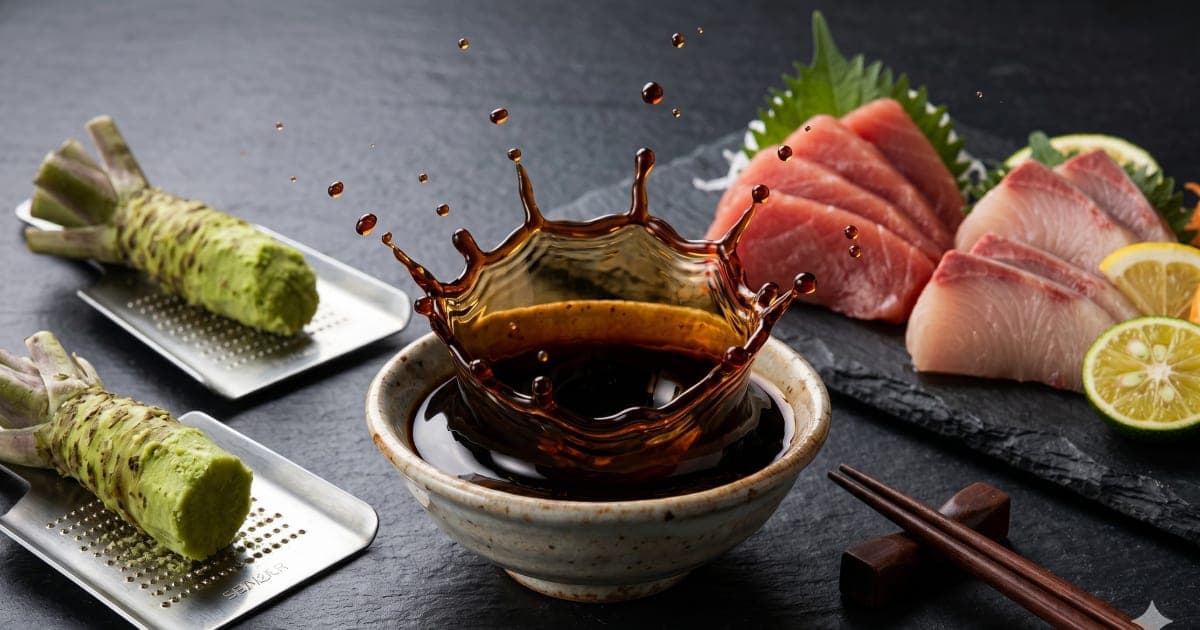
Use as a soy sauce substitute in all applications. Excellent for dipping (sashimi, gyoza), marinades, and dressings. The richer flavor means you can use slightly less than regular soy sauce.

Best Pairings

sashimigyozastir-friesmarinadesdressingsrice

Substitutes

Regular soy sauce (contains gluten), coconut aminos (soy-free, lower sodium)

Nutrition & Health Benefits

The nutritional profile and health properties of Tamari

Nutrition Highlights

fat

0

carbs

5.7

fiber

0.8

protein

10.5

calories

60

Quick Facts

Categorycondiments
OriginJapan — tamari has been produced as a byproduct of hatcho miso for centuries. It was the original style of soy sauce in Japan before Chinese-style soy sauce with wheat was introduced.
SeasonAvailable year-round
DifficultyEasy

Health Benefits

Higher protein content than regular soy sauce. Contains probiotics from the miso-making process. High in sodium — use in moderation.

Tamari Photos

5 photos showcasing Tamari in its many forms

5
🌿

Tamari

condiments

OriginJapan — tamari has been produced as a byproduct of hatcho miso for centuries. It was the original style of soy sauce in Japan before Chinese-style soy sauce with wheat was introduced.
SeasonAvailable year-round
DifficultyEasy

Flavor Notes

Richcomplexdeeply umamiand less salty than regular soy sauce. Slightly thicker and more rounded. The wheat-free version has a rounderless sharp flavor profile.

Pairs Well With

sashimigyozastir-friesmarinadesdressingsrice

Explore More Ingredients

Discover the stories, origins, and culinary secrets behind the world's most fascinating ingredients.