
🌿 grainsEasy to use
Spelt
Iran (5th millennium BC), ancient EuropeYear-roundNutty, slightly sweet, complex
Did You Know?
Spelt was one of the first grains cultivated by humans — it was a dietary staple in Europe from the Bronze Age through the Middle Ages before modern wheat took over.
Overview
Iran (5th millennium BC) · Year-round · grains
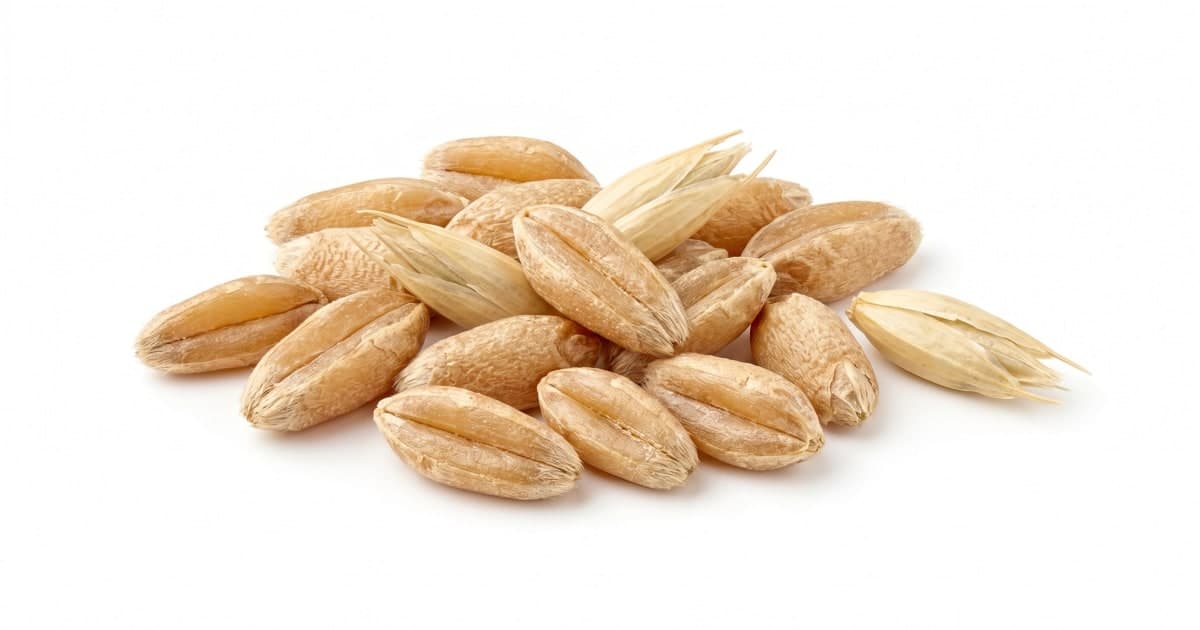
An ancient wheat variety with a nutty, slightly sweet flavor and higher protein content than modern wheat, used in bread and pasta.
Iran (5th millennium BC)
Origin
Year-round
Season
Easy
Difficulty
grains
Category
Flavor Profile
Nuttyslightly sweetcomplexmild
Storage Tips
Whole spelt: airtight container for 2 years. Spelt flour: refrigerate and use within 6 months.
Photo Gallery
How to Cook with Spelt
Recipes, pairings, substitutes, and professional tips
Cooking Tips
Use spelt flour for artisan bread with a nutty flavor. Cook whole spelt berries like farro. Replace all-purpose flour 1:1 (but reduce liquid slightly as spelt absorbs more).
Best Pairings
honeynutsfruitolive oilherbscheese
Substitutes
Einkorn, emmer, farro, all-purpose flour
Nutrition & Health Benefits
The nutritional profile and health properties of Spelt
Nutrition Highlights
fat
2
carbs
70
fiber
11
protein
15
calories
338
Quick Facts
Categorygrains
OriginIran (5th millennium BC), ancient Europe
SeasonYear-round
DifficultyEasy
Health Benefits
Higher in protein and certain nutrients than modern wheat. Contains more fiber than refined wheat. Not gluten-free but some gluten-sensitive people tolerate it better.
Spelt Photos
5 photos showcasing Spelt in its many forms
🌿
Spelt
grains
OriginIran (5th millennium BC)
SeasonYear-round
DifficultyEasy
Flavor Notes
Nuttyslightly sweetcomplexmild
Shop This Ingredient
Find premium Spelt in our store
Pairs Well With
honeynutsfruitolive oilherbscheese
Explore More Ingredients
Discover the stories, origins, and culinary secrets behind the world's most fascinating ingredients.