
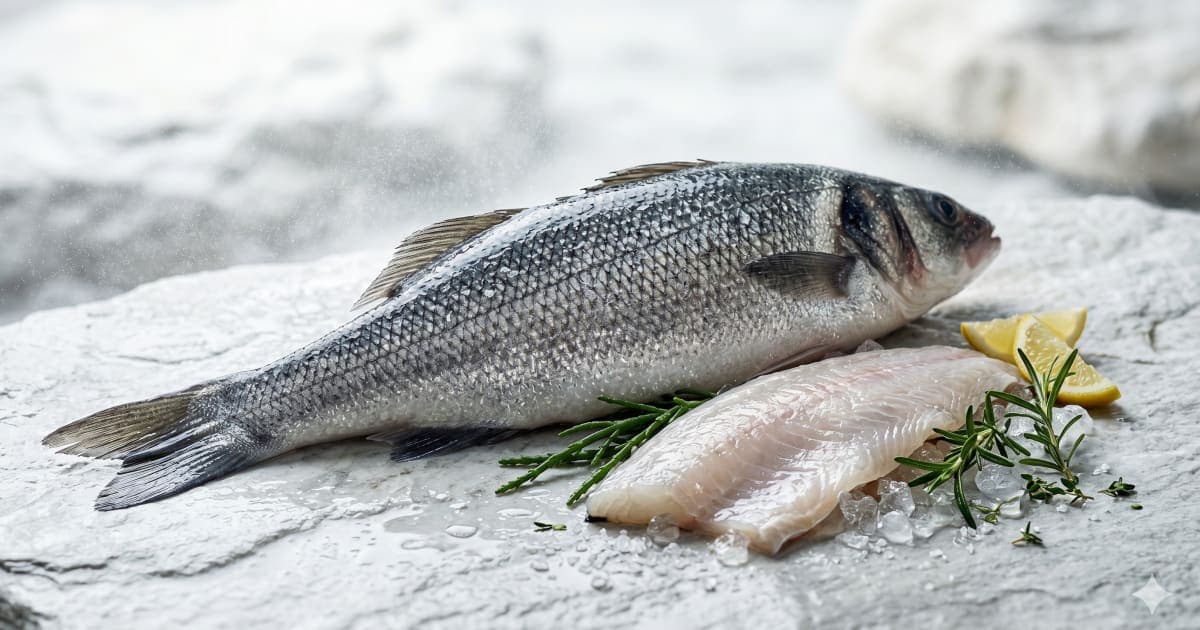
Sea Bass
🌿 proteinsEasy to use

Sea Bass

Mediterranean and Atlantic — European sea bass (Dicentrarchus labrax) is native to European coastal waters; Chilean sea bass (Patagonian toothfish) comes from deep Southern Ocean.Mediterranean: peak summer. Chilean sea bass: year-roundMild, delicate, and slightly sweet with tender

Did You Know?

Chilean sea bass was once called Patagonian toothfish — it wasn't selling well. Fish merchants renamed it 'Chilean sea bass' in the 1980s, and it became one of the most sought-after fish in America.

Overview

Mediterranean and Atlantic — European sea bass (Dicentrarchus labrax) is native to European coastal waters; Chilean sea bass (Patagonian toothfish) comes from deep Southern Ocean. · Mediterranean: peak summer. Chilean sea bass: year-round · proteins

A family of prized white-fleshed fish with delicate, sweet flavor and flaky texture. Popular in Mediterranean, Asian, and American cuisines.

Mediterranean and Atlantic — European sea bass (Dicentrarchus labrax) is native to European coastal waters; Chilean sea bass (Patagonian toothfish) comes from deep Southern Ocean.

Origin

Mediterranean: peak summer. Chilean sea bass: year-round

Season

Easy

Difficulty

proteins

Category

Flavor Profile

Milddelicateand slightly sweet with tenderflaky flesh. Clean oceanic flavor without fishiness.

Storage Tips

Fresh: refrigerate up to 2 days. Frozen: up to 3 months.

Photo Gallery

How to Cook with Sea Bass

Recipes, pairings, substitutes, and professional tips

Cooking Tips

Whole sea bass: score skin and roast or grill at high heat. Fillets: pan-sear skin-side down first. The skin crisps beautifully. Target 145°F (63°C) internal temperature.

Best Pairings

lemonfennelolive oilgarliccaperscherry tomatoeswhite winefresh herbs

Substitutes

Branzino (European sea bass), snapper, halibut, or cod.

Nutrition & Health Benefits

The nutritional profile and health properties of Sea Bass

Nutrition Highlights

fat

2.6

carbs

0

fiber

0

protein

23.6

calories

124

Quick Facts

Categoryproteins
OriginMediterranean and Atlantic — European sea bass (Dicentrarchus labrax) is native to European coastal waters; Chilean sea bass (Patagonian toothfish) comes from deep Southern Ocean.
SeasonMediterranean: peak summer. Chilean sea bass: year-round
DifficultyEasy

Health Benefits

Excellent lean protein, low in fat (except Chilean variety). Rich in omega-3s (especially Chilean), selenium, and B12.

Sea Bass Photos

4 photos showcasing Sea Bass in its many forms

4
🌿

Sea Bass

proteins

OriginMediterranean and Atlantic — European sea bass (Dicentrarchus labrax) is native to European coastal waters; Chilean sea bass (Patagonian toothfish) comes from deep Southern Ocean.
SeasonMediterranean: peak summer. Chilean sea bass: year-round
DifficultyEasy

Flavor Notes

Milddelicateand slightly sweet with tenderflaky flesh. Clean oceanic flavor without fishiness.

Pairs Well With

lemonfennelolive oilgarliccaperscherry tomatoeswhite winefresh herbs

Explore More Ingredients

Discover the stories, origins, and culinary secrets behind the world's most fascinating ingredients.