
🌿 fruitsEasy to use
Red Currant
Northern EuropeSummer (June–August)Tart, bright, acidic
Did You Know?
Red currant's high pectin content means it can form a perfect gel with just half the sugar of most other fruits — ideal for low-sugar jams and jellies.
Overview
Northern Europe · Summer (June–August) · fruits
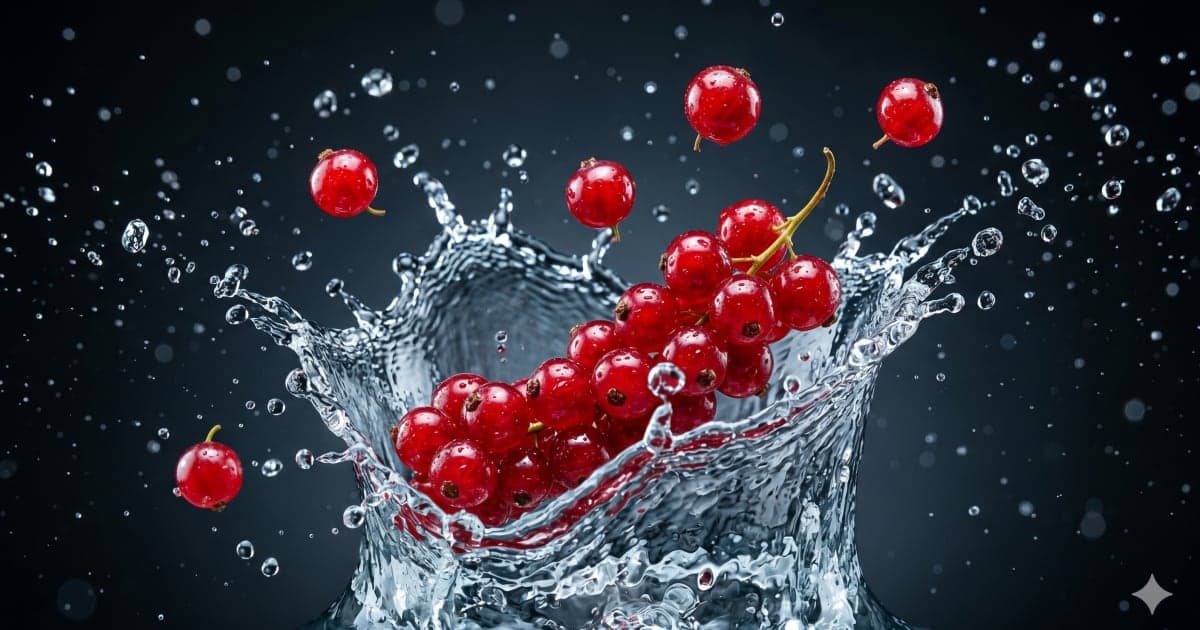
Red currant is a small, bright ruby-red berry with a jewel-like appearance, intensely tart flavor, and high pectin content. It's a classic European berry used primarily for jelly and sauces.
Northern Europe
Origin
Summer
Season
Easy
Difficulty
fruits
Category
Flavor Profile
Tartbrightacidicslightly sweethigh pectin
Storage Tips
Refrigerate up to 5 days. Freeze very well for year-round use.
Photo Gallery
How to Cook with Red Currant
Recipes, pairings, substitutes, and professional tips
Cooking Tips
Use in jelly, Cumberland sauce, game meats, summer pudding, and as a garnish. Too tart to eat raw for most.
Best Pairings
lambvenisoncreamvanillaalmondport winelemon
Substitutes
Cranberry, pomegranate seeds, black currant
Nutrition & Health Benefits
The nutritional profile and health properties of Red Currant
Nutrition Highlights
fat
0.2
carbs
13.8
fiber
4.3
protein
1.4
calories
56
vitamin_c
54% DV
vitamin_k
11% DV
Quick Facts
Categoryfruits
OriginNorthern Europe
SeasonSummer (June–August)
DifficultyEasy
Health Benefits
Very high in vitamin C (50mg per 100g), antioxidants, and vitamin K. Immune-boosting.
Red Currant Photos
6 photos showcasing Red Currant in its many forms
🌿
Red Currant
fruits
OriginNorthern Europe
SeasonSummer (June–August)
DifficultyEasy
Flavor Notes
Tartbrightacidicslightly sweethigh pectin
Shop This Ingredient
Find premium Red Currant in our store
Pairs Well With
lambvenisoncreamvanillaalmondport winelemon
Explore More Ingredients
Discover the stories, origins, and culinary secrets behind the world's most fascinating ingredients.