
🌿 condimentsEasy to use
Miso Paste
Japan — miso has been produced in Japan for over 1,300 years. It evolved from ancient Chinese fermented grain and soy paste (jiang) introduced to Japan in the 7th century.Available year-roundDeeply savory, salty, and umami-rich with complex fermented notes. White miso: mild and sweet. Yellow miso: medium depth. Red miso: intense
Did You Know?
Japanese miso soup was a key part of World War II Japanese soldiers' rations — it was believed to boost immunity and resistance. Interestingly, Hiroshima survivors near the blast who ate miso daily showed lower radiation sickness rates.
Overview
Japan — miso has been produced in Japan for over 1 · Available year-round · condiments
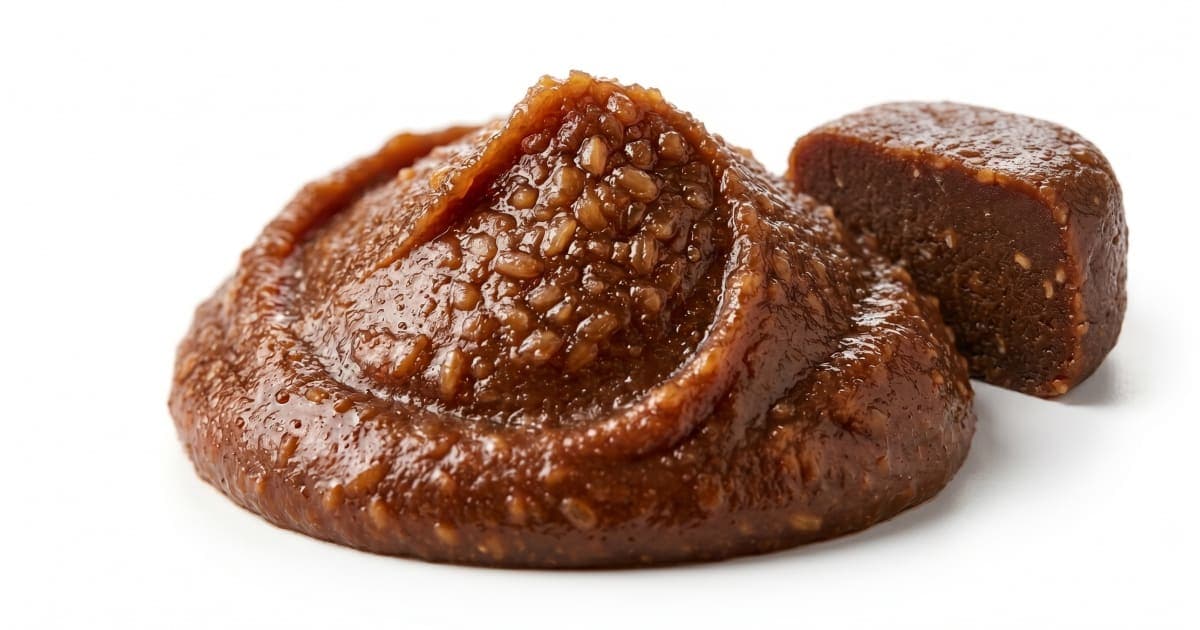
A fermented Japanese paste made from soybeans, salt, and koji (a mold). Available in white, yellow, and red varieties — a fundamental umami ingredient in Japanese cooking.
Japan — miso has been produced in Japan for over 1
Origin
Available year-round
Season
Easy
Difficulty
condiments
Category
Flavor Profile
Deeply savorysaltyand umami-rich with complex fermented notes. White miso: mild and sweet. Yellow miso: medium depth. Red miso: intenserobustand funky.
Storage Tips
Refrigerate after opening. Lasts 3–12 months refrigerated (darker miso keeps longer). Does not freeze well — the texture changes.
Photo Gallery
How to Cook with Miso Paste
Recipes, pairings, substitutes, and professional tips
Cooking Tips
Never boil miso — add at the end of cooking to preserve beneficial bacteria and delicate flavor. Use as a glaze for fish (miso-glazed black cod), in dressings, marinades, and sauces. A spoonful elevates any soup or stew.
Best Pairings
soupsalmoneggplantbuttertahiniramen
Substitutes
Soy sauce (for umami depth, less complex), doenjang (Korean fermented soybean paste), tahini (for creaminess without umami)
Nutrition & Health Benefits
The nutritional profile and health properties of Miso Paste
Nutrition Highlights
fat
6
carbs
26.5
fiber
5.4
protein
11.7
calories
198
Quick Facts
Categorycondiments
OriginJapan — miso has been produced in Japan for over 1,300 years. It evolved from ancient Chinese fermented grain and soy paste (jiang) introduced to Japan in the 7th century.
SeasonAvailable year-round
DifficultyEasy
Health Benefits
Probiotic benefits from fermentation. Rich in protein, B vitamins, manganese, copper, and zinc. Contains isoflavones and beneficial enzymes.
Miso Paste Photos
5 photos showcasing Miso Paste in its many forms
🌿
Miso Paste
condiments
OriginJapan — miso has been produced in Japan for over 1
SeasonAvailable year-round
DifficultyEasy
Flavor Notes
Deeply savorysaltyand umami-rich with complex fermented notes. White miso: mild and sweet. Yellow miso: medium depth. Red miso: intenserobustand funky.
Shop This Ingredient
Find premium Miso Paste in our store
Pairs Well With
soupsalmoneggplantbuttertahiniramen
Explore More Ingredients
Discover the stories, origins, and culinary secrets behind the world's most fascinating ingredients.