
Did You Know?
Did you know that marzipan was once sold in pharmacies?During the Middle Ages and the Renaissance, marzipan wasn't just a treat it was considered a medicine. Because it was made from expensive sugar and nutrient-dense almonds, physicians prescribed it to treat everything from physical exhaustion to "melancholy" (depression).Here are a few more "sweet" pieces of trivia:The "King" of Marzipan: The German city of Lübeck is the world capital of marzipan. They even have a law protecting it: "Lübecker Marzipan" must contain a much higher percentage of almonds (at least 70%) compared to standard commercial varieties, which are often mostly sugar.The War-Time Origin Story: Legend has it that marzipan was "invented" during a 15th-century famine in Lübeck. When the city ran out of flour to make bread, bakers discovered a stockpile of almonds and sugar in the storehouses and made "almond bread" to keep the citizens from starving.A Royal Wedding Tradition: In many European cultures, marzipan is the traditional "first layer" of a wedding cake. It isn't just for flavor; the high sugar content acts as a natural preservative, sealing the fruitcake underneath so it can stay fresh for months (or even years!).The "Marchpane" of Shakespeare: If you’re a fan of Romeo and Juliet, you might recognize marzipan by its Old English name: Marchpane. It was the ultimate status symbol for Elizabethan nobility, who would commission massive, gilded marzipan sculptures for their banquet tables.
Overview
Germany and Italy · Year-around · others
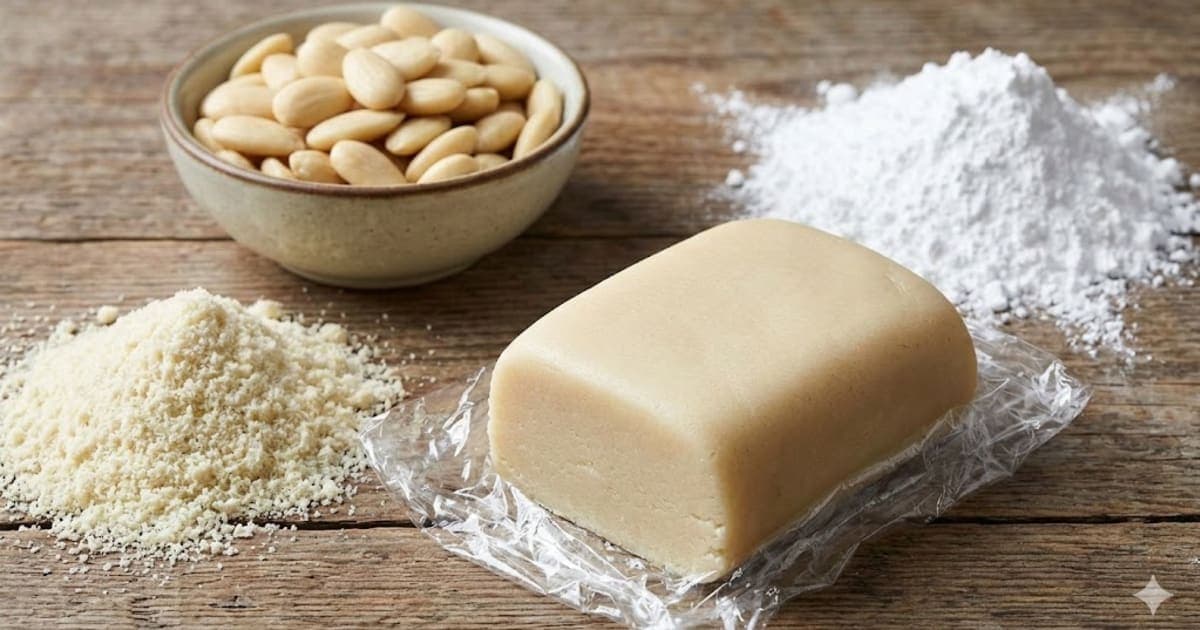
Marzipan is a delightful, clay like confection that has been a staple of European pastry kitchens for centuries. Often confused with almond paste, marzipan is smoother, sweeter, and more pliable, making it the "sculpting clay" of the culinary world.Marzipan is a paste primarily composed of ground almonds and sugar (or honey), often bound with egg whites or corn syrup. It is characterized by its distinct nutty aroma and ivory color. While its exact origins are debated with claims ranging from Persia to Germany it is most famously associated with Lübeck, Germany, and Sicily, Italy.
Germany and Italy
Origin
Year-around
Season
Easy
Difficulty
others
Category
Flavor Profile
smoothersweeterpliable
Storage Tips
Properly storing marzipan is the difference between a supple, almond scented treat and a rock-hard sugar brick. Because it contains both high fat (from almonds) and high sugar, it is sensitive to both oxidation and humidity.Follow these guidelines to keep your marzipan fresh for months:1. The Golden Rule: Air is the EnemyMarzipan dries out incredibly fast when exposed to air. Once the moisture evaporates, the sugar crystallizes and it becomes brittle.Double-Wrap: Wrap the marzipan tightly in plastic wrap, ensuring there are no air pockets.Second Layer: Place the wrapped bundle inside a heavy-duty freezer bag or an airtight glass container.The "Double Plastic" Trick: If you have a large block, wrap it once in plastic wrap and then again in aluminum foil to provide a light and moisture barrier.2. Temperature & EnvironmentCool and Dark: For short-term use (up to 3 weeks), a cool, dark pantry is fine. Avoid windowsills or spots near the oven.Refrigeration (Best for 6 Months): This is the ideal long-term storage method. The cold prevents the almond oils from going rancid.Note: Before using refrigerated marzipan, let it sit at room temperature for 1–2 hours. Cold marzipan will crack if you try to roll it.Freezing (Best for 1 Year): Marzipan freezes beautifully. Thaw it slowly in the refrigerator overnight before bringing it to room temperature.3. Managing Moisture (The "Sweat" Factor)Sugar is hygroscopic, meaning it attracts water from the air.Don't "Fridge" Finished Cakes: If you have covered a cake in marzipan, try to avoid putting it in the refrigerator. The humidity can cause the sugar to "sweat," leaving a sticky, weeping residue on the surface.Humidity Control: In very humid climates, store marzipan with a small food-grade silica gel packet in the outer container to absorb excess moisture.4. Shelf Life OverviewStorage MethodDurationBest For...Pantry (Airtight)2–3 WeeksImmediate baking or sculpting.Refrigerator6 MonthsHomemade marzipan or open commercial packs.Freezer12 MonthsBulk buying or holiday leftovers.5. How to Tell if it’s Gone BadMarzipan has a very long shelf life, but you should discard it if:Rancid Smell: If it smells like "old paint" or "soapy" rather than sweet almonds, the oils have oxidized.Rock Hard: If it’s so hard it snaps rather than bends, it’s severely dehydrated. (Though you can sometimes grate this into cake batter!)Discoloration: If it has turned dark brown or shows any spots of mold (rare, but possible if moisture got into the bag).Pro Tip: Reviving Hard MarzipanIf your marzipan has started to stiffen, don't throw it away!Microwave: Give it a 5-second burst to soften the sugars.Knead: Add a tiny drop of simple syrup or light corn syrup and knead it back into the dough. It will regain its elasticity almost instantly.
Photo Gallery
How to Cook with Marzipan
Recipes, pairings, substitutes, and professional tips
Cooking Tips
Cooking with marzipan is less about "applying heat" in the traditional sense and more about integrating it into textures or using it as a protective, flavorful barrier. Because of its high sugar content, it behaves differently than dough it can melt, caramelize, or become rock-hard if handled incorrectly.Here is how to master marzipan in your culinary projects:1. Baking Inside Batters (The "Hidden" Center)Marzipan is famous for providing a moist, nutty surprise inside cakes and breads.The Log Method: For Stollen or almond rolls, roll the marzipan into a long rope (log) and wrap the dough around it. During baking, it softens into a fudgy, dense core.The Cube Method: To add "pockets" of flavor to muffins or pound cakes, dice cold marzipan into small cubes and toss them in a little flour before folding them into the batter. This prevents them from sinking to the bottom.The Grater Trick: If you want an intense almond flavor distributed evenly, freeze a block of marzipan for 20 minutes and grate it directly into your cake batter or cookie dough.2. As a Protective Layer (The "Crumb Coat")In traditional British fruitcakes or Swedish Princess cakes, marzipan serves a functional purpose:Sealing Moisture: A layer of marzipan acts as a barrier, keeping the cake moist for weeks.Smoothing the Surface: It provides a perfectly flat foundation for royal icing or chocolate ganache.The "Glue": Always brush your cake with a thin layer of warmed apricot jam before draping the marzipan. The acidity of the apricot balances the sugar and acts as a culinary adhesive.3. Working with Heat (Caramelization)Marzipan reacts beautifully to direct heat if you are careful:Torching: You can lightly brown marzipan decorations with a kitchen torch (like a Creme Bruise) to give them a toasted, "burnt sugar" aroma and a rustic look.Broiling: Some tarts feature marzipan sliced on top. A quick 1–2 minutes under the broiler will cause the edges to crisp and turn golden brown.Melting: You can melt marzipan into heavy cream over low heat to create a rich Almond Sauce for poaching pears or drizzling over bread pudding.4. Essential "Don'ts" When CookingDon't Overbake: If marzipan is exposed on the outside of a cookie for too long, it will become very hard and tooth-breaking. Always aim for a "softset" golden brown.Don't Use High Moisture Batters: If your cake batter is very watery, the marzipan might dissolve or "weep" sugar syrup into the cake, creating a gummy texture.Don't Microwave it Solo: To soften it, use 5 second bursts only. Anything longer will cause the sugar to superheat and burn your hands (or the marzipan).5. Quick Marzipan Cooking IdeasTechniqueDish IdeaDescriptionStuffingBaked ApplesCore an apple, fill with marzipan and walnuts, then bake.LayeringMarzipan BrowniesSpread a thin sheet of marzipan between two layers of brownie batter.FryingMarzipan RavioliWrap marzipan in wonton skins and flash fry for a crunchy snack.EnvelopingChocolate CroissantsPlace a small piece of marzipan next to the chocolate before rolling.
Substitutes
Finding a perfect substitute for marzipan depends entirely on whether you need it for modeling (shaping), covering a cake, or filling a pastry. Since marzipan is essentially an almond-sugar paste, most substitutes try to mimic either that nutty flavor or that clay like texture.1. Almond Paste (The Closest Match)Almond paste is often confused with marzipan, but they are not the same.The Difference: Almond paste has more almonds and less sugar, making it coarser and less sweet.How to Substitute: To turn almond paste into marzipan, mix 1 part almond paste with 1 part powdered sugarand a small amount of light corn syrup or egg white to bind it. This creates the smooth, pliable texture needed for modeling.2. Fondant (The Best Texture Match)If you only need to cover a cake or sculpt figures and don't care about the almond flavor, rolled fondant is the industry standard.Pros: Extremely easy to work with and takes color beautifully.Cons: It is essentially pure sugar and lacks the rich, nutty depth of marzipan.Tip: Add a drop of almond extract to the fondant to mimic the marzipan scent.3. Persipan (The Professional "Budget" Substitute)Persipan is a common commercial alternative, especially in Europe.The Difference: It is made from apricot or peach kernels instead of almonds.Usage: It tastes very similar but is slightly more bitter. It is excellent for baking into fillings where the slight bitterness is masked by other ingredients.4. Nut-Free SubstitutesIf you are dealing with an almond allergy, you can create a "marzipan" texture using other seeds or legumes:Semolina/Soy Paste: Traditional in some cultures, a thick paste of cooked semolina or soy flour mixed with sugar and almond-free flavoring.Sunflower Seed Paste: You can follow a standard marzipan recipe but replace the almond flour with finely ground, toasted sunflower seeds. Note that the color will be much darker (greenish-grey).Comparison Table: Which Substitute to Choose?Use CaseBest SubstituteWhy?Sculpting FiguresFondantBetter structural integrity and smoother finish.Baking (Fillings)Persipan or Almond PasteHolds up well under high heat without melting away.Covering a CakeFondantEasier to roll into large, thin sheets without tearing.Almond AllergySunflower Seed PasteMimics the "nutty" fat content without the allergen.
Nutrition & Health Benefits
The nutritional profile and health properties of Marzipan
Quick Facts
Categoryothers
OriginGermany and Italy
SeasonYear-around
DifficultyEasy
Health Benefits
While marzipan is a confection and should be enjoyed in moderation due to its high sugar content, it is "healthier" than many other sweets because its primary ingredient is almonds. Unlike candies made from pure corn syrup or artificial fats, marzipan carries the dense nutritional profile of the nuts it contains.Here are the specific health benefits associated with the ingredients in high quality marzipan:1. Heart-Healthy Monounsaturated FatsAlmonds are rich in oleic acid, the same heart healthy fat found in olive oil.Benefit: These fats help maintain healthy cholesterol levels by lowering LDL (bad) cholesterol while maintaining or increasing HDL (good) cholesterol.2. Potent Source of Vitamin EMarzipan is naturally high in Vitamin E, a powerful fat soluble antioxidant.Benefit: Vitamin E protects your cells from oxidative stress and supports skin health, immune function, and eye health. A small serving of marzipan can provide a significant percentage of your daily requirement.3. Rich in Essential MineralsBecause it is made from whole ground almonds, marzipan contains several key minerals:Magnesium: Important for blood sugar control, nerve function, and bone health.Potassium: An electrolyte that helps with heart function and blood pressure regulation.Manganese: Aids in metabolism and bone formation.4. Protein and Dietary FiberUnlike "empty calorie" sweets like gummy candies or marshmallows, marzipan provides:Satiety: The combination of protein and fiber from the almonds helps slow down the absorption of sugar, meaning you may feel full faster and avoid a massive "sugar crash" compared to eating pure sugar candies.Nutritional Comparison: Marzipan vs. Standard CandyFeatureMarzipan (28g)Standard Fruit Gummy (28g)Protein3g0gHealthy Fats7g0gFiber2g0gMicronutrientsVitamin E, MagnesiumNone
Marzipan Photos
5 photos showcasing Marzipan in its many forms
🌿
Marzipan
others
OriginGermany and Italy
SeasonYear-around
DifficultyEasy
Flavor Notes
smoothersweeterpliable
Shop This Ingredient
Find premium Marzipan in our store
Explore More Ingredients
Discover the stories, origins, and culinary secrets behind the world's most fascinating ingredients.