
🌿 spicesEasy to use
Cumin
Eastern Mediterranean, South AsiaAvailable year-roundWarm, earthy, slightly bitter
Did You Know?
Cumin seeds have been found in ancient Egyptian tombs — it was used not only as a spice but also as a preservative in mummification.
Overview
Eastern Mediterranean · Available year-round · spices
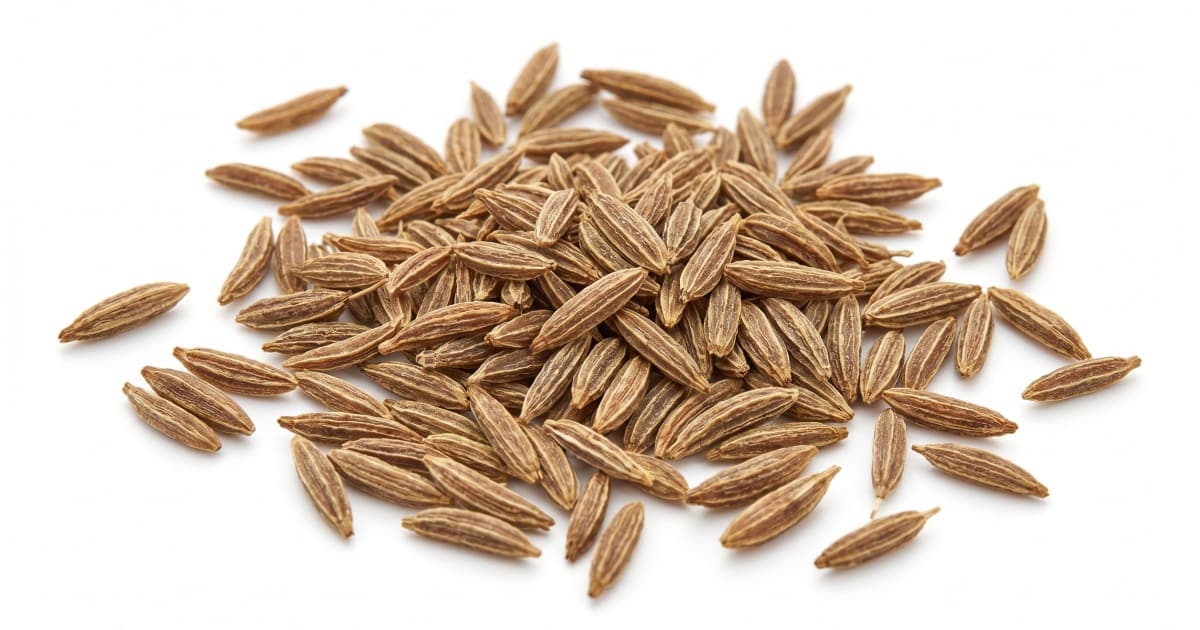
Cumin is one of the world's most popular spices, made from dried seeds of Cuminum cyminum. It has a warm, earthy, slightly bitter flavor with complex aromatic notes essential in many cuisines.
Eastern Mediterranean
Origin
Available year-round
Season
Easy
Difficulty
spices
Category
Flavor Profile
Warmearthyslightly bitteraromaticnuttycomplex
Storage Tips
Whole seeds up to 3 years. Ground 1–2 years in airtight container away from heat.
Photo Gallery
How to Cook with Cumin
Recipes, pairings, substitutes, and professional tips
Cooking Tips
Toast whole seeds before using to enhance flavor. Add early in cooking for deeper flavor. Excellent in curries, Mexican dishes, and Middle Eastern spice blends.
Best Pairings
corianderturmericchililambchickpeasyogurtlime
Substitutes
Caraway seeds, coriander (milder), fennel seeds
Nutrition & Health Benefits
The nutritional profile and health properties of Cumin
Nutrition Highlights
fat
22.3
iron
368% DV
carbs
44.2
fiber
10.5
protein
17.8
calories
375
manganese
188% DV
Quick Facts
Categoryspices
OriginEastern Mediterranean, South Asia
SeasonAvailable year-round
DifficultyEasy
Health Benefits
Aids digestion, iron-rich (important for vegetarians), antioxidant. May improve blood sugar and cholesterol.
Cumin Photos
4 photos showcasing Cumin in its many forms
🌿
Cumin
spices
OriginEastern Mediterranean
SeasonAvailable year-round
DifficultyEasy
Flavor Notes
Warmearthyslightly bitteraromaticnuttycomplex
Shop This Ingredient
Find premium Cumin in our store
Pairs Well With
corianderturmericchililambchickpeasyogurtlime
Explore More Ingredients
Discover the stories, origins, and culinary secrets behind the world's most fascinating ingredients.