
🌿 fruitsEasy to use
Black Currant
Northern Europe, AsiaSummer (June–August)Intensely tart, earthy, musky
Did You Know?
Black currants were banned in the United States for decades (1911–1966) because the plants spread a fungus that damaged pine trees.
Overview
Northern Europe · Summer (June–August) · fruits
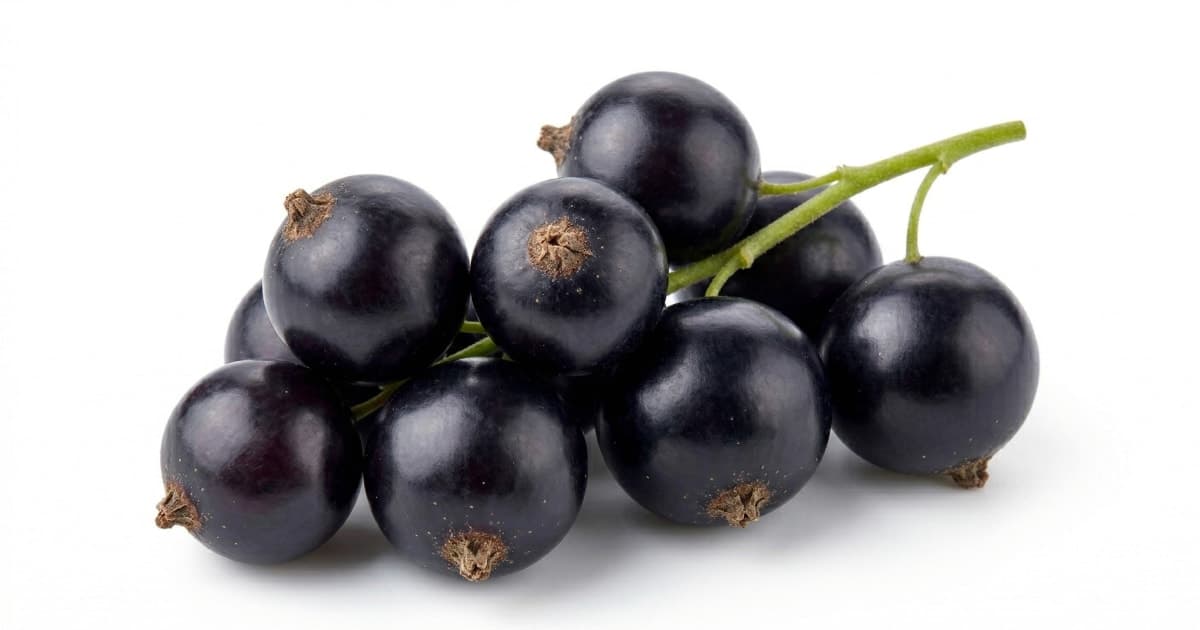
Black currant is a small, dark berry with an intensely tart, earthy flavor and rich aroma. It's widely used in European cordials, jams, and liqueurs like crème de cassis.
Northern Europe
Origin
Summer
Season
Easy
Difficulty
fruits
Category
Flavor Profile
Intensely tartearthymuskydeeply fruity
Storage Tips
Refrigerate up to 4 days. Freeze very well — store frozen up to 1 year.
Photo Gallery
How to Cook with Black Currant
Recipes, pairings, substitutes, and professional tips
Cooking Tips
Use in jams, syrups, cordials, cassis, sauces for game meats, ice cream, and baked goods. Too tart to eat raw for most people.
Best Pairings
vanillacreamdark chocolatevenisonapplelemonred wine
Substitutes
Red currant, blackberry, blueberry
Nutrition & Health Benefits
The nutritional profile and health properties of Black Currant
Nutrition Highlights
fat
0.4
carbs
15.4
fiber
4.3
protein
1.4
calories
63
vitamin_c
181% DV
Quick Facts
Categoryfruits
OriginNorthern Europe, Asia
SeasonSummer (June–August)
DifficultyEasy
Health Benefits
Extremely high in vitamin C (3x oranges), antioxidants, and GLA fatty acid. Immune-boosting, anti-inflammatory.
Black Currant Photos
5 photos showcasing Black Currant in its many forms
🌿
Black Currant
fruits
OriginNorthern Europe
SeasonSummer (June–August)
DifficultyEasy
Flavor Notes
Intensely tartearthymuskydeeply fruity
Shop This Ingredient
Find premium Black Currant in our store
Pairs Well With
vanillacreamdark chocolatevenisonapplelemonred wine
Explore More Ingredients
Discover the stories, origins, and culinary secrets behind the world's most fascinating ingredients.