
🌿 fruitsFeaturedEasy to use
Apricot
China, Central AsiaLate spring to midsummer (May–August)Sweet-tart, floral, honeyed with a slight tang
Did You Know?
Apricot kernels (seeds) contain amygdalin, a compound that can release cyanide — they should not be eaten raw in large quantities.
Overview
China · Late spring to midsummer (May–August) · fruits
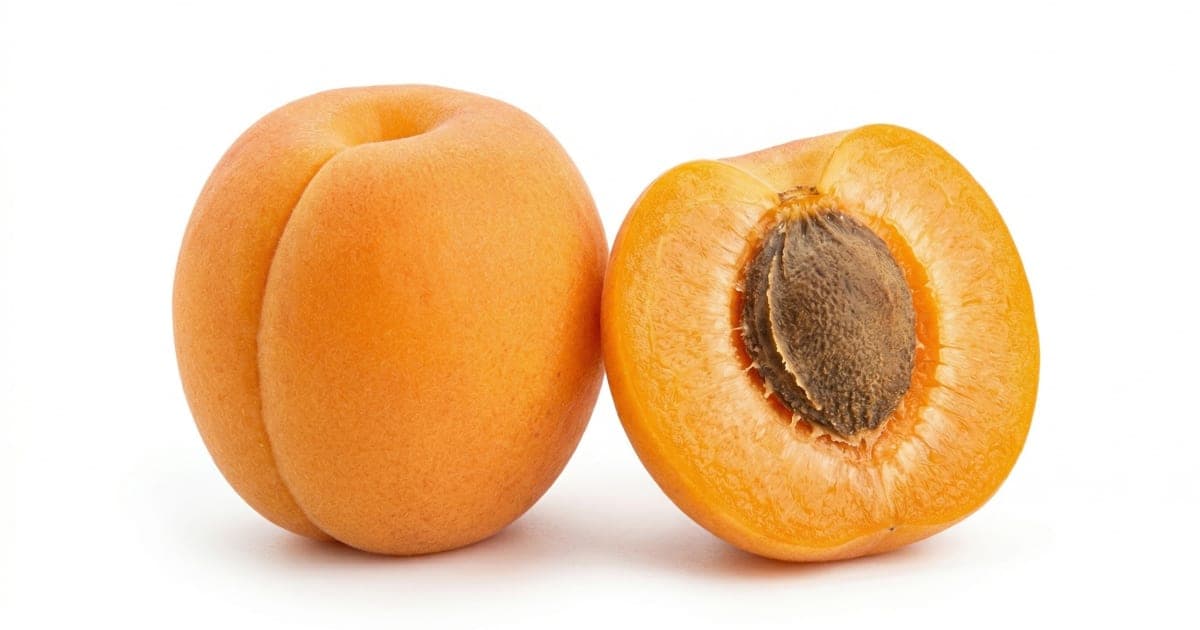
Apricot is a small stone fruit with velvety golden-orange skin and sweet-tart flesh. Fresh apricots are delicate and highly perishable, prized for their intense fragrance and flavor.
China
Origin
Late spring to midsummer
Season
Easy
Difficulty
fruits
Category
Flavor Profile
Sweet-tartfloralhoneyed with a slight tang
Storage Tips
Ripen at room temperature, then refrigerate up to 5 days. Handle gently — bruises easily.
Photo Gallery
How to Cook with Apricot
Recipes, pairings, substitutes, and professional tips
Cooking Tips
Use in jams, tarts, chutneys, glazes for poultry, and dried as a snack. Don't overcook — they soften quickly.
Best Pairings
honeyalmondscreamthymevanillabrandychicken
Substitutes
Peach, nectarine, plum, dried apricot
Nutrition & Health Benefits
The nutritional profile and health properties of Apricot
Nutrition Highlights
fat
0.4
carbs
11.1
fiber
2
protein
1.4
calories
48
vitamin_a
12% DV
vitamin_c
12% DV
Quick Facts
Categoryfruits
OriginChina, Central Asia
SeasonLate spring to midsummer (May–August)
DifficultyEasy
Health Benefits
Rich in beta-carotene, vitamin A, vitamin C, and antioxidants. Supports eye health and skin.
Apricot Photos
3 photos showcasing Apricot in its many forms
🌿
Apricot
fruits
OriginChina
SeasonLate spring to midsummer (May–August)
DifficultyEasy
Flavor Notes
Sweet-tartfloralhoneyed with a slight tang
Shop This Ingredient
Find premium Apricot in our store
Pairs Well With
honeyalmondscreamthymevanillabrandychicken
Explore More Ingredients
Discover the stories, origins, and culinary secrets behind the world's most fascinating ingredients.